
How Acclimation Affects Your Hardwood Installation Results
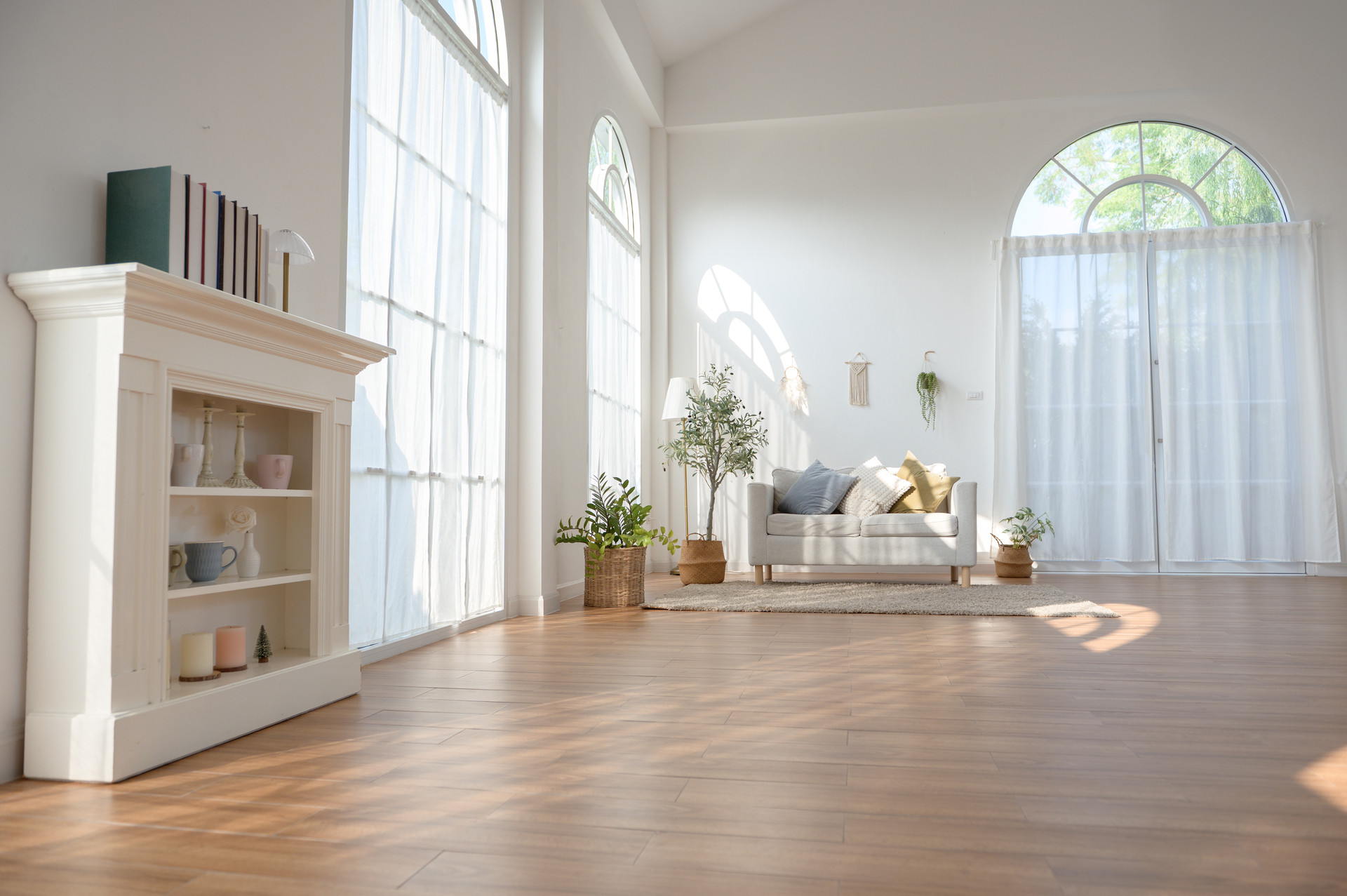
You’ve picked out your hardwood. You’ve cleared the room. The installation date is on the calendar. Everything feels ready. But here’s the step that too many homeowners skip, or worse, don’t even know exists, and it’s the one that quietly determines whether your floor performs beautifully for decades or starts showing problems within the first year.
Acclimation sounds simple. In practice, it’s one of the most important parts of the entire hardwood flooring process.
Wood Is a Living Material. Even After It’s Cut.
Real wood never fully stops responding to its environment. It expands when moisture levels rise and contracts when the air gets dry. This is not a flaw in the material. It’s just the nature of wood, and it’s part of what gives it warmth, character, and longevity that no synthetic product can truly replicate.
The problem comes when planks that have been stored in a warehouse, a truck, or a distribution center get installed directly into a home without any transition period. That wood has been living in one set of temperature and humidity conditions. Your home has its own. When those two environments collide without time to adjust, the results can be costly.
What Actually Happens Without Proper Acclimation
Picture a hardwood plank that arrives at your Austin home in the middle of July, having been stored in a climate-controlled facility. Your home runs a little warmer, humidity is higher, and the air conditioning cycles on and off throughout the day. If that plank goes straight from the box to the floor, it will begin adjusting to your home’s conditions after it’s already been nailed or glued down.
That adjustment has nowhere to go. The wood expands, but it’s locked in place. This leads to “cupping,” where the edges of a board rise higher than the center, or “crowning,” where the center pushes upward. In more severe cases, boards can buckle or gaps can open between planks as the wood contracts in drier months. None of this is a product defect. It is almost always a preventable installation error.
The Right Way to Acclimate Hardwood in Austin
Austin’s climate adds a layer of importance to this process. The city’s humidity levels shift meaningfully between seasons, and homes here can swing between dry, air-conditioned air in summer and more humid conditions in spring and fall. That range is exactly why taking acclimation seriously here matters more than in more stable climates.
The general rule is to allow solid hardwood to acclimate in the installation space for a minimum of three to five days, with some species and wider plank formats requiring even longer. Engineered hardwood typically requires less time, though it still benefits from sitting in the room before installation begins. The boxes should be opened and the planks stacked loosely to allow air to circulate around them. The home’s HVAC system should be running at its normal settings throughout the entire period.
Before installation even begins, a moisture meter should be used to check both the planks and the subfloor. The moisture content of the wood and the subfloor should be within an acceptable range of each other, typically around two to four percentage points for solid wood. If that gap is too wide, more acclimation time is needed, full stop.
Why This Step Gets Skipped More Often Than It Should
There’s an honest answer here: scheduling pressure. Homeowners are eager to get their floors in, contractors are juggling multiple jobs, and a three-to-five day wait can feel like an unnecessary delay. It is not. Skipping or shortening acclimation to save a few days can lead to repairs or refinishing within the first year that cost far more in time and money than the wait ever would have.
This is also where the experience of your flooring team makes a real difference. Professionals who understand wood behavior at a technical level, not just an installation level, will not rush this step. They will assess your specific subfloor, evaluate the moisture conditions, and give your wood the time it actually needs rather than the minimum they can get away with.
After the Floor Is Down, the Job Is Not Over
Acclimation does not end at installation. Your home’s indoor environment continues to affect your hardwood long after the last plank is secured. Keeping your home’s humidity between 35% and 55% year-round is the single most important thing you can do to protect your investment. Running a humidifier in dry months and keeping your HVAC maintained are both practical habits that pay off in the long run. Our hardwood care & maintenance guide covers the day-to-day habits that keep your floors looking their best season after season.
The Difference a Knowledgeable Team Makes
A beautiful hardwood floor is not just about choosing the right species or finish. It is about every decision made before, during, and after the install. Acclimation is one of those decisions, and it is one that the right flooring team will never take lightly. Our hardwood installation process at The Carpet Stop is built around getting these details right from the start, because a floor that is installed correctly the first time is a floor that gives you nothing but pleasure for years to come.
Talk to the Experts at The Carpet Stop
Ready to get your hardwood project started the right way? Our team is here to guide you through every step, from acclimation to the final walk-through. Visit us in Austin or explore our full selection of hardwood flooring online and let’s build a floor that lasts.