
Laminate Flooring Thickness Really Does Matter and Here Is Why
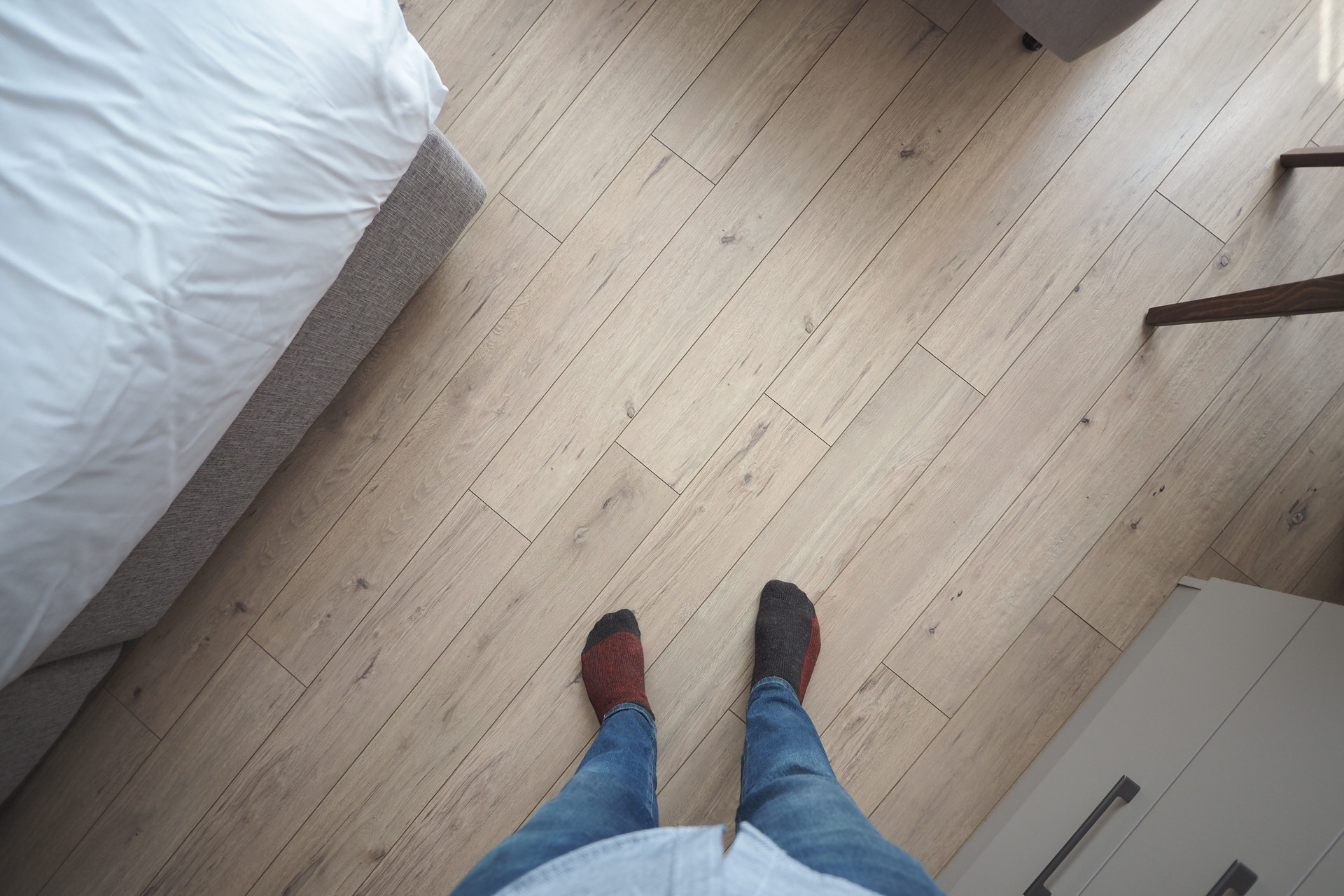
Most people walk into a flooring showroom thinking about color. Maybe style. Possibly price. Thickness is rarely the first thing on anyone’s list, and that’s completely understandable. It’s not exactly the most glamorous part of the conversation.
But here’s the thing. Of all the decisions you’ll make when choosing laminate, thickness might be the one that affects your daily experience the most. Not how it looks on day one, but how it feels, sounds, and holds up over years of real life in an Austin home.
It Starts With What’s Under Your Feet
Laminate flooring is measured in millimeters, and the range most homeowners encounter falls somewhere between six and twelve millimeters, with some premium options going higher. That spread might not sound like much. After all, we’re talking about fractions of an inch. But the difference between a six-millimeter plank and a twelve-millimeter plank is something you will feel every single time you walk across the room.
Thicker planks have more mass, and that mass translates directly into how solid the floor feels underfoot. Thinner laminate, especially when installed over a subfloor with any minor irregularities, can have a slightly hollow, flexible quality to it. You might not notice it at first, but over time it becomes one of those things you can’t stop noticing.
The Sound Problem Nobody Talks About
If you’ve ever walked through a home and heard that hollow, clicking sound with every step on a laminate floor, you’ve experienced what happens when thickness and underlayment are not up to the job. It’s one of the most common complaints about laminate flooring, and it’s almost entirely preventable.
Thicker planks absorb impact better. They flex less under foot traffic, which means less movement at the joints and significantly less noise. For homes in Pflugerville or Hutto where open floor plans mean sound carries freely from one end of the house to the other, this is not a minor detail. It’s the difference between a floor that feels premium and one that constantly reminds you it isn’t.
Subfloors Are Never as Perfect as They Look
Austin homes, particularly those built on slab foundations, often have subfloors with subtle variations in levelness. A high-quality laminate installation can work around minor imperfections, but the plank itself plays a role too. Thicker laminate bridges small dips and ridges more effectively than thin planks, which tend to follow every contour of whatever is underneath them.
When a thin plank dips into a low spot and then bridges back up, the joint between planks experiences stress. Over time, that stress can cause the locking edges to wear, separate, or even chip. Choosing a thicker product from the start is one of the simplest ways to protect the long-term integrity of your floor.
Thickness and the Attached Underlayment Question
Many laminate products today come with an attached underlayment layer already bonded to the back of the plank. This adds to the total thickness measurement and contributes to comfort, sound absorption, and insulation. It’s worth paying attention to whether the thickness spec you’re looking at includes this layer or refers only to the core plank itself.
A twelve-millimeter plank with an attached two-millimeter underlayment performs very differently from a twelve-millimeter plank without one. Understanding what you’re actually comparing matters, and it’s one of those nuances that experienced flooring experts tend to flag immediately while a quick online search rarely will.
Where Thinner Laminate Still Makes Sense
To be fair, not every room calls for the thickest option available. In spaces with existing flooring transitions to manage, such as doorways where one flooring type meets another, a thinner profile can actually be the smarter choice. It keeps height differences between surfaces manageable and reduces the need for bulky transition strips.
The key is matching the thickness to the specific demands of each space rather than applying a one-size-fits-all approach throughout the whole home.
Long-Term Care Starts With a Solid Foundation
A thicker, more stable plank is also easier to live with over time. It resists the minor flexing and movement that can eventually compromise laminate joints, which means your floor maintains its tight, seamless look for longer. Paired with proper laminate care, a well-chosen laminate can genuinely surprise you with how long it holds up in a busy household.
Let The Carpet Stop Help You Choose Wisely
Thickness is just one piece of the laminate puzzle, but it’s a piece that deserves more attention than it typically gets. At The Carpet Stop, our flooring experts are here to walk you through every spec that matters for your specific home and lifestyle. Stop by our Austin showroom and explore our full selection of laminate flooring to find the right fit for every room in your home.