
Laminate Flooring in the Kitchen: Practical Choice or Bad Idea
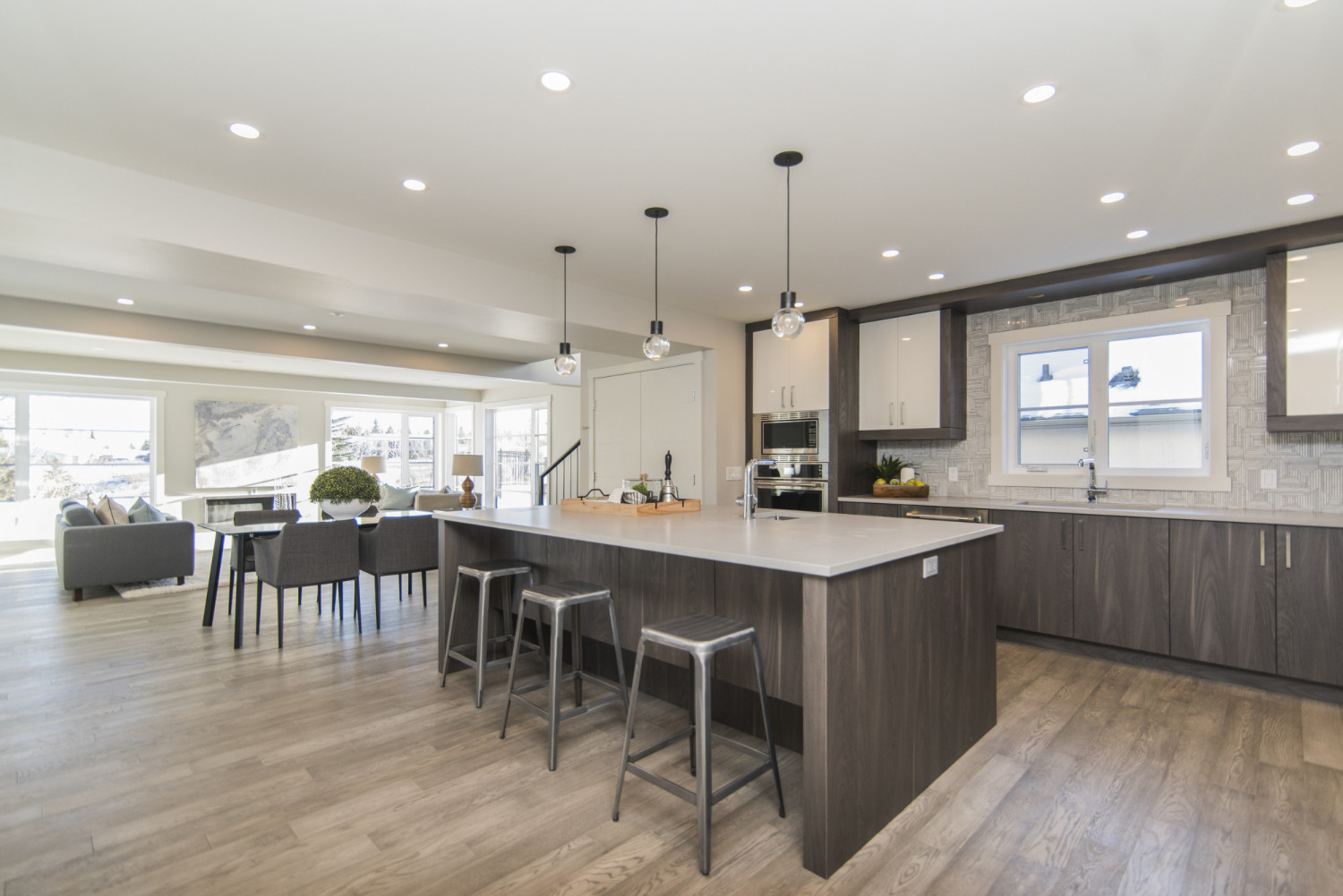
The kitchen is where the honest questions about flooring come up. It’s where the coffee gets spilled before anyone is fully awake, where muddy shoes track in from the backyard, and where the dishwasher occasionally decides to remind you it’s not immortal. If you’re considering laminate for your kitchen in an Austin home, you’ve probably already heard someone tell you it’s a terrible idea.
That person isn’t entirely wrong. But they’re not entirely right either.
What Laminate Is Actually Up Against in a Kitchen
To understand whether laminate belongs in your kitchen, you first have to be honest about what a kitchen actually does to a floor. It’s one of the highest-traffic rooms in the house. It sees grease splatters, standing water around the sink, dropped glasses, dragged chairs, and the kind of daily foot traffic that would put almost any surface through its paces.
The traditional knock against laminate in this environment comes down to one word: moisture. Standard laminate has a high-density fiberboard core, and that core does not love water. A spill that sits unattended, a slow drip under the refrigerator, or steam from a pot of boiling pasta can all work their way into the joints and cause swelling, warping, or the dreaded bubbling that signals real damage has already been done.
That concern is legitimate. It has also pushed manufacturers to significantly improve what laminate flooring can handle, and the gap between what laminate could do ten years ago and what it can do today is genuinely substantial.
The Modern Laminate Kitchen Reality
Today’s laminate products are a different story from what gave the category its reputation. Many options now feature water-resistant cores, tighter locking joint systems designed to resist moisture penetration, and surface treatments that repel spills rather than absorbing them. Some products carry warranties that specifically cover kitchen and bathroom use, which was virtually unheard of in earlier generations of the product.
For Austin homeowners who cook regularly but are not running a commercial kitchen in their home, a quality water-resistant laminate can hold up well with some straightforward habits in place. Wiping up spills promptly, keeping the area around the sink dry, and using a mat in front of the dishwasher are simple measures that go a long way toward protecting the floor over time.
Where Laminate Genuinely Earns Its Place in the Kitchen
Comfort is one of the most underrated factors in kitchen flooring. If you spend any real amount of time cooking, you know that tile and stone, while durable, are punishing on your feet and back after an hour of standing. Laminate has a natural give to it that hard surfaces simply do not, and in a kitchen where you’re on your feet for long stretches, that difference is felt by the end of the evening.
It also handles the visual demands of the kitchen well. Modern laminate comes in wood and stone looks that are genuinely convincing, and in an open-plan home where the kitchen flows into a living or dining area, a consistent laminate floor across the whole space creates a cohesion that tile or vinyl might interrupt. In neighborhoods like Cedar Park and Leander where open-plan renovations are common, this is a real selling point.
Then there’s the practical matter of budget. A full kitchen renovation is already an expensive undertaking. Choosing a quality laminate over hardwood or natural stone can free up meaningful room in the budget for cabinetry, appliances, or countertops without sacrificing the warm, wood-look aesthetic most Austin homeowners are after.
The Honest Limitations Worth Knowing
Even the best laminate has boundaries. Standing water is still the enemy, and the area directly in front of a sink or dishwasher deserves extra attention. Unlike hardwood, laminate cannot be refinished when it shows significant wear, which means that eventually the floor will need to be replaced rather than restored. In a kitchen that sees extremely heavy use, that replacement timeline may come sooner than in a bedroom or living room.
It is also worth noting that not all laminate is created equal. Thinner products with basic moisture resistance will not perform as well as a thicker, properly sealed option. Getting laminate care & maintenance right from day one also matters more in a kitchen than in any other room in the house.
So, Practical Choice or Bad Idea?
In the right home, with the right product, and with reasonable care, laminate in the kitchen is a genuinely practical choice. It is comfortable, good-looking, budget-conscious, and far more capable in wet environments than its old reputation suggests. The key is choosing a product that is actually rated for the demands of a kitchen, not simply assuming that any laminate will do.
Not sure which product is right for your kitchen? Our flooring experts at The Carpet Stop are here to help you sort through the options and find the right fit. Whether you’re starting from scratch or replacing an existing floor, our team can walk you through laminate installation options that make sense for your space, your lifestyle, and your Austin home.