Solid vs. Engineered Hardwood on Concrete Slabs: Making the Right Call
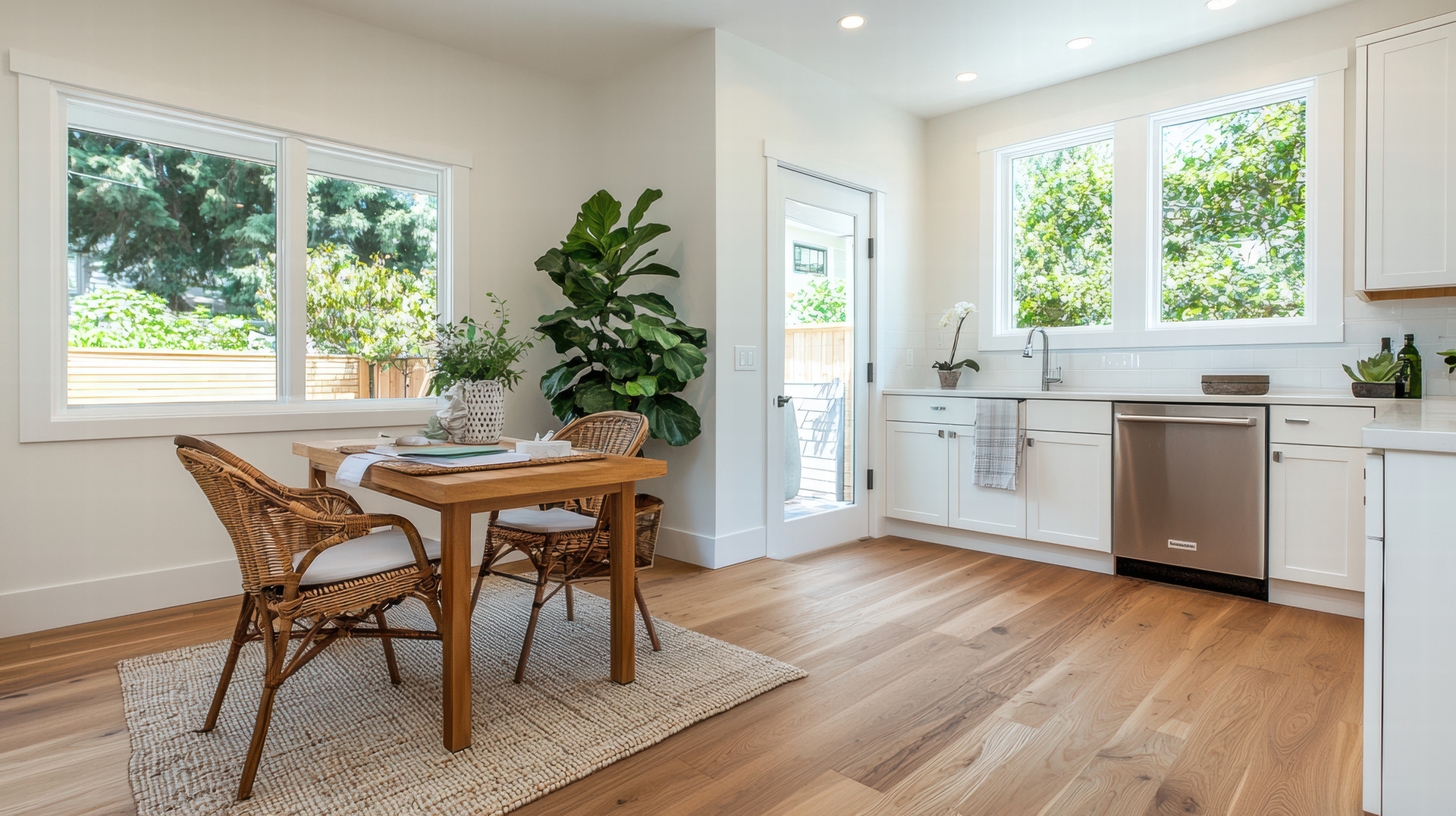
Concrete slabs are everywhere in Austin homes, especially in ranch-style houses, newer builds, and homes with beautiful below-grade rooms. When you fall in love with the look of real wood underfoot, that slab quickly becomes the first thing you need to think about. The question is not whether hardwood belongs in your space, it is which kind of hardwood your slab can actually support.
We at The Carpet Stop have been proudly helping homeowners across Austin, Cedar Park, Round Rock, Georgetown, and Leander navigate this exact decision for decades. Solid and engineered hardwood flooring both bring warmth, value, and lasting character to a home, but they behave very differently on concrete. Knowing how each one performs helps you invest in a floor that stays beautiful for years to come.
How Concrete Changes The Hardwood Conversation
Concrete is a living surface. It holds moisture, shifts slightly with temperature, and can transfer humidity upward into anything installed on top of it. Wood, being a natural material, responds to that moisture by expanding and contracting.
That single fact shapes almost every decision you make about wood floors on a slab. It affects which species you choose, which installation method your crew uses, and whether your floor sits above or below ground level. The good news is that modern products and installation techniques have opened up more possibilities than ever.
The Case For Engineered Hardwood On Slabs
Engineered hardwood is built in layers. A real wood veneer sits on top of a dimensionally stable plywood or HDF core, which resists the swelling and shrinking that solid planks go through. That layered construction is exactly what makes it such a reliable partner for concrete.
Here are the main reasons homeowners lean toward engineered wood for slab installations:
- It handles moisture and humidity swings far better than solid wood.
- It can be installed above, on, or below grade, including basements and first floors on slab.
- It offers multiple installation methods, including glue-down and floating click systems.
- It comes in wide planks and long lengths that can be difficult to find in solid wood.
- It still provides a genuine hardwood surface that can often be refinished once or twice.
For most Austin homes sitting on a slab, engineered is the practical answer that also looks stunning.
When Solid Hardwood Can Still Work
Solid hardwood is a single piece of wood from top to bottom, usually three quarters of an inch thick. It is the traditional choice many homeowners picture when they dream of wood floors, and the refinishing potential is hard to beat. The challenge is that solid planks react more dramatically to moisture.
On a slab, solid hardwood is not impossible, but it asks more of the installation. A proper vapor barrier, a moisture test, and often a plywood subfloor glued or fastened over the concrete are all part of the process. Our professional hardwood installation team can walk you through whether your specific slab is a good candidate.
Solid wood tends to make the most sense when the slab is above grade, moisture readings are consistently low, and the homeowner wants decades of refinishing life built into the floor.
Moisture Testing Is Non Negotiable
Before any wood goes down on concrete, the slab needs to be tested. Skipping this step is the most common reason beautiful new floors cup, crown, or separate a year later. A simple calcium chloride test or relative humidity probe tells your installer exactly what you are working with.
Here is a quick look at what professionals evaluate before installation:
- Moisture content of the concrete slab itself.
- Relative humidity inside the home across seasons.
- Flatness and levelness of the slab within industry tolerances.
- Whether a vapor retarder or moisture mitigation system is needed.
- The grade level of the room, meaning above, on, or below ground.
Taking these readings seriously is what separates a floor that lasts from one that disappoints.
Choosing The Right Look For Your Space
Once the technical side is handled, the fun part begins. Engineered options today come in wide planks, wire brushed textures, hand scraped finishes, and a full range of species from white oak to hickory to walnut. If you are still weighing your options, our detailed hardwood buying guide is a great place to start comparing styles and constructions side by side.
Your floor should match how you actually live. Busy households with kids and pets often gravitate toward harder species and matte finishes, while quieter spaces can showcase softer woods and natural sheens beautifully.
Talk To Our Flooring Experts About Your Slab
Every slab tells a slightly different story, and the right hardwood choice depends on getting that story right from the start. Our flooring experts would love to visit your home, check your slab, and help you compare options that fit your space, your style, and your budget. Schedule a free in-home measure and let us help you turn that concrete foundation into a floor you will be proud of for years.