Janka Hardness Scale Explained: Choosing Wood That Stands Up to Daily Life
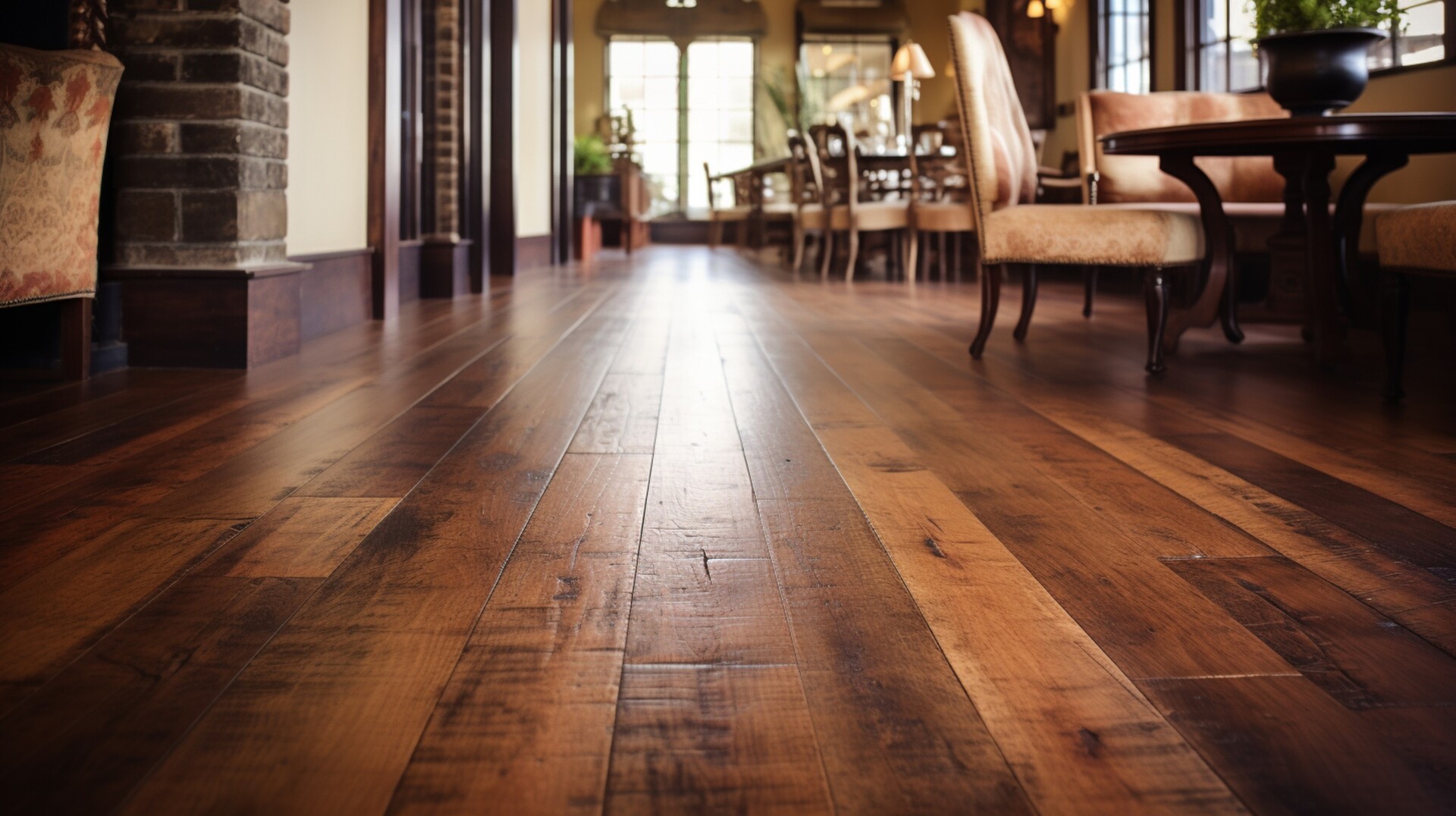
Walk barefoot across a wood floor first thing in the morning and you can feel something solid underneath you, a sense that the surface was built to last. Yet not all wood is created equal, and the difference between a floor that ages gracefully and one that dents under a dropped set of keys often comes down to a single number that most shoppers have never heard of.
That number comes from the Janka hardness scale, and understanding it can save you real frustration down the road. We at The Carpet Stop have spent decades helping homeowners across Austin, Round Rock, and Cedar Park match the right wood to the way they actually live, and the Janka scale is one of the first things we explain when someone falls in love with a beautiful plank.
What The Janka Hardness Scale Actually Measures
The Janka test is wonderfully simple in concept. A small steel ball is pressed halfway into a piece of wood, and the force required to do that gets recorded as a Janka rating. The higher the number, the harder the wood, and the better it resists dents and daily wear.
Those ratings give you a reliable way to compare species side by side. A softer wood like American walnut sits around 1,010 on the scale, while red oak lands near 1,290, and hickory climbs past 1,800. When you browse our hardwood products in the showroom, that rating is a quiet but powerful guide to how each option will hold up.
Why Hardness Matters For Busy Households
A home with kids, dogs, and a steady flow of foot traffic asks a lot of its floors. Harder species shrug off the scrapes and impacts that softer woods would record as permanent marks.
That said, hardness is not the only thing worth weighing. A medium-hard species with a textured, hand-scraped finish can disguise everyday wear beautifully, which is why our team always looks at the whole picture rather than chasing the highest number on a chart.
Matching Janka Ratings To The Rooms In Your Home
Not every room needs the toughest wood available. A formal sitting room that sees light use can happily wear a softer, richer species like walnut, letting its deep tones take center stage.
High-traffic zones tell a different story. Entryways, hallways, and kitchens benefit from oak or hickory, and exploring our full range of hardwood flooring options makes it easier to picture which species belongs where.
How Finish And Installation Affect Real-World Durability
A high Janka score gives you a strong starting point, but the finish does much of the day-to-day protecting. Wire-brushed and matte finishes hide micro-scratches that would jump out on a glossy surface, stretching the good looks of your floor for years.
Installation matters just as much. Even the hardest wood underperforms when it is poorly fitted, which is why professional hardwood installation protects the investment you are making and helps your floor reach its full lifespan.
Reading The Scale Without Getting Overwhelmed
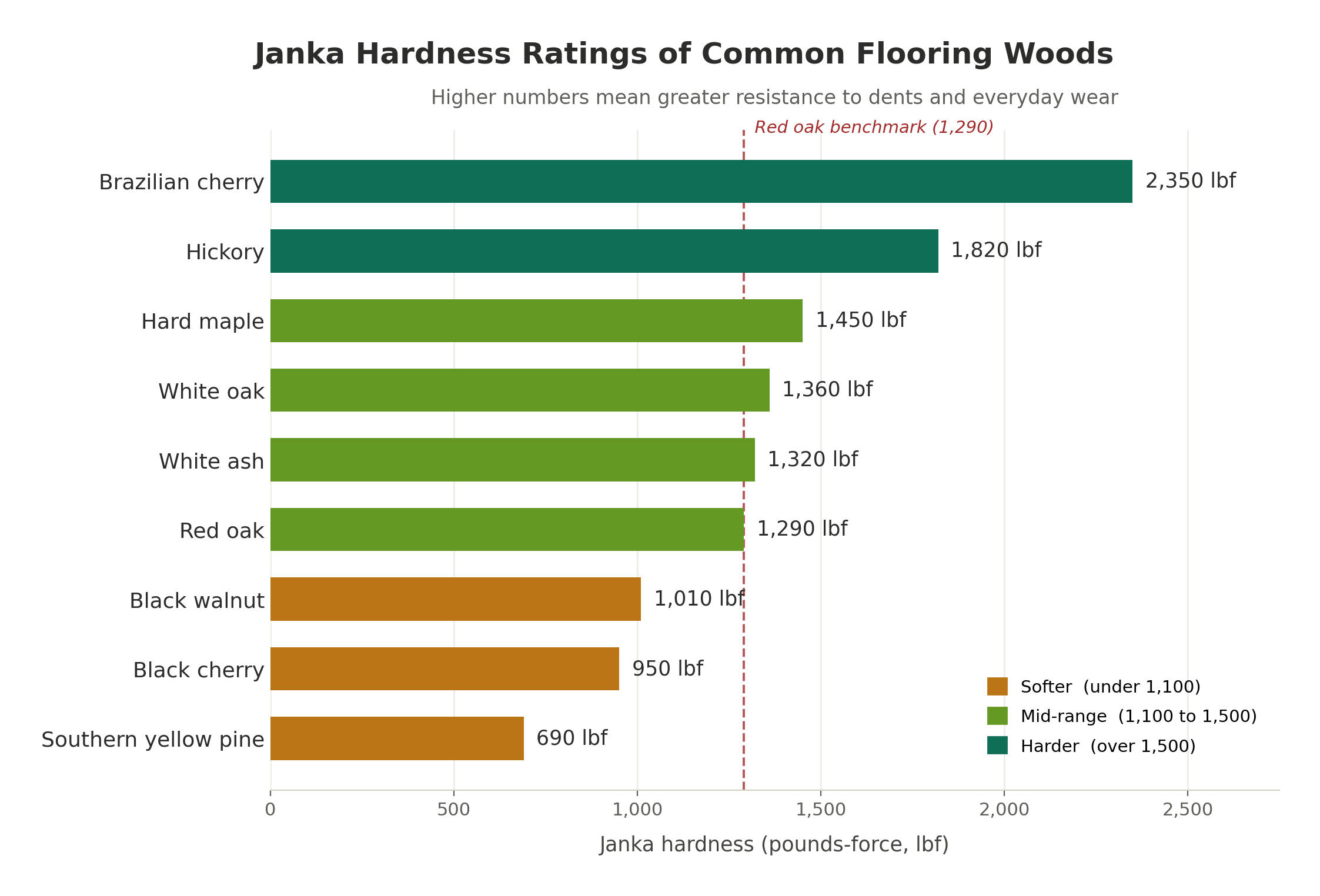 It is easy to fixate on Janka numbers and forget that the right floor balances hardness with budget, style, and the feel you want underfoot. A slightly softer wood you love will almost always make you happier than a harder one chosen purely for its rating.
The smartest approach is to treat the scale as one helpful tool among several. Bring your questions to people who work with these species every day, and the numbers start to make a lot more sense.
Find The Right Floor For The Way You Live
Curious which species will stand up to your household and still look the way you want it to? Reach out to our flooring experts and get in touch with our team, and we’ll walk you through the options, the ratings, and everything in between. We’re always glad to help you find a floor you’ll love living on for years to come.