
Why Laminate Flooring Needs Expansion Gaps and What Happens Without Them
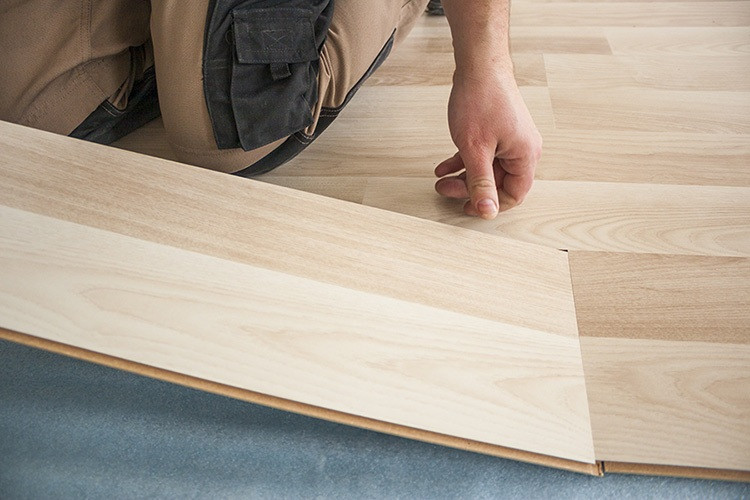
Laminate flooring has a quiet secret hiding underneath its beautiful surface. Those planks you see locked together so neatly are actually living, breathing materials that move with the seasons. When the air grows humid, they swell ever so slightly. When it dries out, they shrink back again.
That movement is exactly why expansion gaps matter so much, and why we at The Carpet Stop talk about them with every customer across Austin, Cedar Park, Round Rock, and Georgetown. As your local laminate flooring experts, we want your floor to look stunning on day one and still feel solid years down the road.
Why That Tiny Gap Around the Room Does So Much
An expansion gap is the small space left between the edge of your laminate and the walls, cabinets, or fixed objects in a room. It usually measures around a quarter inch, hidden neatly beneath your baseboards or trim once everything is finished.
Think of it as breathing room. Laminate floats over the subfloor rather than being nailed or glued down, so it needs space to expand and contract freely. Without that little margin, the planks have nowhere to go when they grow.
What Goes Wrong When Gaps Are Skipped
When laminate has no room to move, the pressure has to release somewhere. The results are rarely pretty, and they often show up months after installation when everyone has forgotten about the missing gap.
The most common issue is peaking, where two planks push against each other and lift at the seam. You might also see buckling, where sections of the floor rise off the subfloor entirely. In tighter spaces, edges can press into the baseboards and create gaps elsewhere as the floor warps.
These problems are frustrating because they are almost always preventable. A floor that was installed with proper spacing simply absorbs seasonal change without anyone noticing.
A Few Best Practices Worth Remembering
Getting expansion gaps right comes down to a handful of habits that seasoned installers follow every time. Keeping these in mind helps your floor age gracefully.
- Acclimate your laminate by letting the planks sit in the room for 48 to 72 hours before installation, so they adjust to your home’s humidity.
- Leave a consistent gap of roughly a quarter inch around the entire perimeter, including walls, pillars, and door frames.
- Account for larger rooms, since wider spans may need slightly bigger gaps or transition strips to handle the extra movement.
- Use spacers during installation to keep the gap even, then remove them before adding trim.
- Cover the gap with baseboards or quarter round rather than filling it with caulk, which would lock the floor in place.
How Professional Installation Protects Your Floor
There is real skill in reading a room and knowing exactly how much space a floor will need. Subfloor conditions, climate, and product type all play a part in the final result.
This is where our team earns its reputation. Our professional laminate installation accounts for every variable so your floor performs beautifully through every Texas summer and mild winter. A little expertise up front saves a great deal of trouble later.
Once your floor is in, simple laminate care and maintenance habits keep those planks looking fresh and moving the way they should for years to come.
See Your New Laminate Floor Done Right
When you want laminate that looks gorgeous and stays that way, the details make all the difference. We’d love to show you our full range of laminate flooring options and walk you through what fits your home best. Stop by our showroom and let our flooring experts help you start your project with confidence.