
Why Flooring Is the Foundation of Every Successful Interior Design Plan
Flooring is often one of the first design decisions made during a remodel or new build — and for good reason. Before furniture is placed, walls are styled, or lighting is layered, the floor quietly sets the tone for everything else. It influences proportion, balance, acoustics, comfort, and even how colors appear throughout a space.
A successful interior design plan does not begin with throw pillows or paint samples. It begins from the ground up.
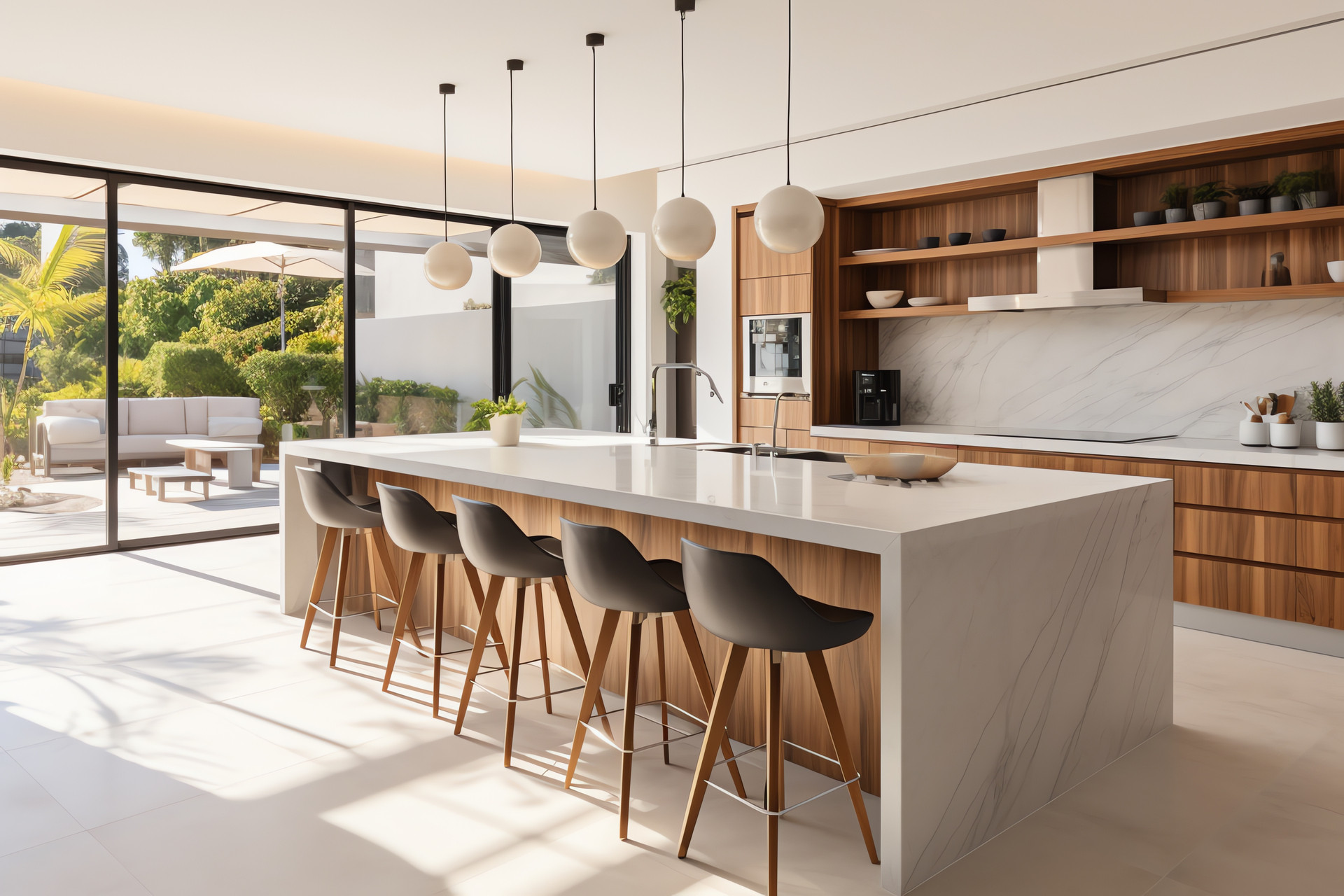
Where every design story begins
The floor covers the largest visual surface in most rooms. Because of that, it naturally becomes the backdrop against which every other material, finish, and texture is evaluated. Whether the choice is rich hardwood, soft carpet, versatile vinyl, modern tile, or practical laminate, that decision establishes the personality of the entire space.
Light-toned hardwood can create an airy, expansive feel. A textured carpet can introduce warmth and softness. Large-format tile can add structure and architectural clarity. Each option communicates something different — and once installed, it anchors every other design element.
When flooring is selected thoughtfully, the rest of the design process becomes clearer and more cohesive.
The visual anchor that ties every room together
Interior design is ultimately about harmony. Wall colors, cabinetry, trim, upholstery, and décor must all feel like they belong in the same visual conversation. Flooring plays the role of moderator in that conversation.
Because it flows from room to room, especially in open-concept layouts, it creates continuity. Consistent flooring choices can make a home feel larger and more connected. Even when transitions are necessary — such as tile in a kitchen and hardwood in a living room — intentional coordination keeps the overall design balanced.
Without a strong flooring foundation, rooms can feel disconnected or visually busy. With it, the design feels seamless and purposeful.
Texture underfoot shapes the atmosphere
Interior design is not only visual. It is sensory.
The feeling underfoot changes how a space is experienced. Carpet softens sound and introduces comfort, making bedrooms and living rooms feel relaxed and inviting. Hardwood delivers natural character and timeless appeal. Tile offers coolness and durability in moisture-prone areas. Vinyl and laminate provide resilience with modern styling flexibility.
These textural qualities influence daily life more than many decorative accents ever will. The right flooring selection enhances how a room functions while reinforcing its aesthetic goals.
Practical performance supports beautiful design
Style alone is never enough. A successful interior plan balances appearance with long-term performance.
Flooring must withstand foot traffic, furniture movement, pets, spills, and the realities of everyday living. In residential settings, durability ensures the design remains beautiful for years. In commercial flooring environments — including hospitality, healthcare, office, retail, and educational spaces — performance becomes even more critical.
Slip resistance, acoustic control, maintenance requirements, and wear ratings all influence the design outcome. When flooring experts evaluate both style and technical performance, the final result is not only attractive but dependable.
Design that ignores practicality often requires costly updates later. Design that starts with the right flooring choice remains strong over time.
Scale, proportion, and layout begin at ground level
Plank width, tile size, pattern orientation, and installation direction subtly impact how a space is perceived.
Wide-plank hardwood can make a room feel modern and expansive. Diagonal tile layouts can add movement and interest. Herringbone or patterned installations introduce sophistication and rhythm. Even the direction in which flooring is installed can visually elongate or widen a room.
Professional flooring installation plays a key role here. Precision, layout planning, and attention to transitions ensure the design intent is executed flawlessly. The smallest alignment details can influence the entire aesthetic.
Color temperature influences every other finish
Flooring color directly affects how wall paint, cabinetry, and furnishings appear. Warm wood tones complement earthy palettes. Cooler gray undertones pair well with contemporary interiors. Neutral flooring provides flexibility for evolving décor.
Because flooring is a long-term investment, it should support both current style preferences and future design updates. A thoughtfully selected foundation allows other elements to evolve without requiring a full redesign.
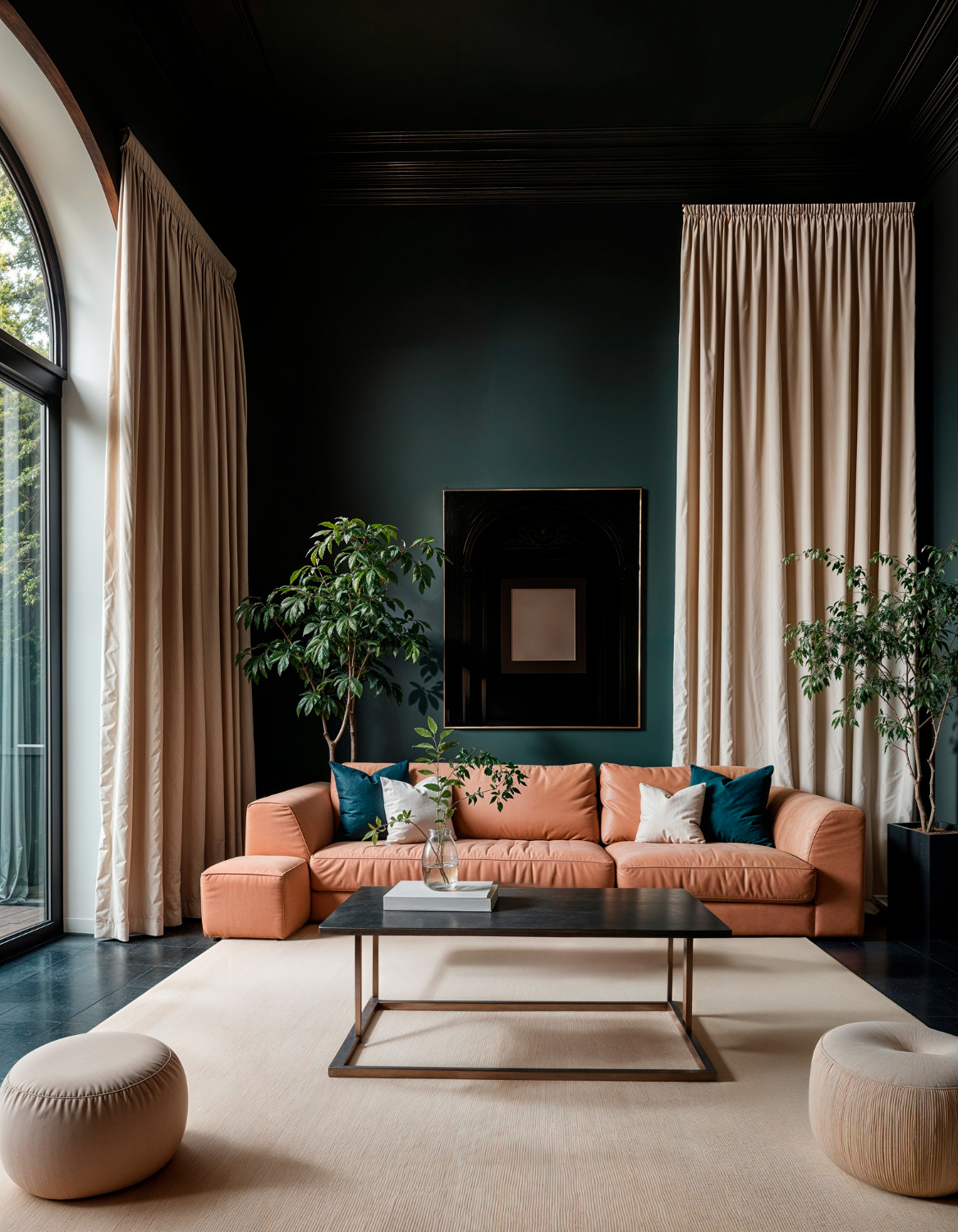
From concept boards to daily life
Interior design boards often feature fabric swatches, tile samples, and wood planks side by side. Among all those materials, flooring carries the most weight. It influences lighting reflection, spatial perception, acoustics, and overall comfort.
When flooring is chosen early and strategically, the entire design process flows more smoothly. Decisions about paint, furniture scale, cabinetry finishes, and décor feel more intuitive. The space feels grounded — literally and visually.
In both residential and commercial projects, flooring is not simply another layer. It is the structural and stylistic base upon which everything else is built.
Start the project with flooring experts who understand the foundation of great design
A thoughtfully designed interior always starts at ground level. At The Carpet Stop in Austin, TX, our flooring experts bring decades of manufacturing knowledge and hands-on installation experience to every project. From hardwood and carpet to laminate, tile, vinyl, and commercial flooring solutions, our team helps homeowners and businesses build beautiful spaces from a strong, lasting foundation.