
Managing Texas Sunlight: Selecting Fade-Resistant Laminate for Sunrooms and South-Facing Windows
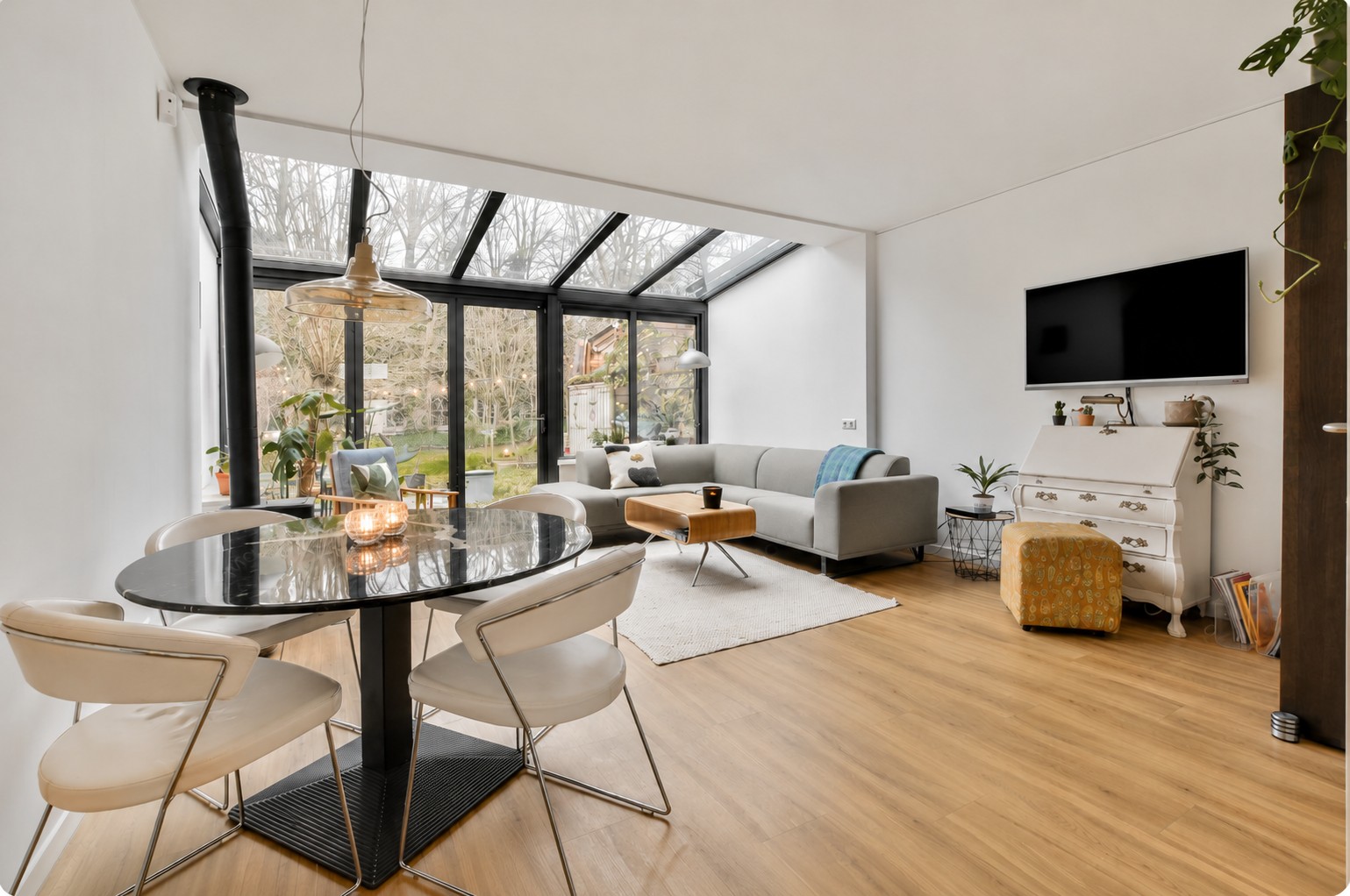
Texas sunshine pours through expansive glass windows for well over two hundred days each year. While natural illumination brightens open living areas and enclosed patios, south-facing windows and sunrooms subject interior flooring to relentless solar bombardment. Unprotected wood floors and standard floor coverings quickly surrender their color under constant exposure, creating chalky patches, yellowing, or drastic surface discoloration. Modern engineering allows high-performance laminate planks to withstand harsh solar cycles better than traditional timber. Understanding how UV radiation degrades materials and which plank specifications resist photodegradation helps you protect your long-term interior investment across Austin, TX.
Solar Radiation and Floor Discoloration
Solar energy entering your home consists of ultraviolet rays, visible light, and infrared heat. Each component interacts with floor surfaces differently, though ultraviolet radiation creates the most chemical destruction.
Photodegradation Mechanics
Photodegradation occurs when high-energy photons break the chemical bonds within organic compounds, wood stains, and decorative inks. Natural hardwood planks contain lignin, an organic polymer that oxidizes and darkens or bleaches under sustained exposure to sunlight. Standard dyed materials lose vibrational energy by breaking molecular bonds, causing visible colors to lose saturation.
Quality laminate planks combat this vulnerability through advanced manufacturing. Instead of relying on stained natural wood fibers on the top surface, laminate uses high-definition decorative papers printed with inorganic, mineral-based pigments. These synthetic inks possess high photostability, meaning solar photons cannot easily fracture their chemical structure.
Thermal Expansion From Infrared Radiation
Direct sunlight brings elevated temperatures along with bright light. Concentrated solar heat beating through south-facing glass panes can heat floor planks past 120 degrees Fahrenheit during an August afternoon.
Infrared heat causes materials to expand across the room. Inferior flooring can peak at the seams, buckle, or separate under intense thermal swings. Premium planks built with high-density fiberboard (HDF) cores offer superior dimensional stability compared to standard wood products. These dense composite cores minimize expansion and contraction when day shifts into evening.
Key Features of Fade-Resistant Laminate
Specifying flooring for sun-drenched spaces requires looking beyond grain patterns. You must evaluate the protective wear layers, core composition, and optical coatings engineered into the board.
Melamine Resin Wear Layers With UV Inhibitors
The transparent shield over modern laminate consists of melamine resin infused with aluminum oxide particles. During factory production, manufacturers subject this wear layer to intense heat and pressure, thermosetting it into an inert barrier.
Top-tier manufacturers blend specialized UV inhibitors into this resin matrix. These chemical compounds absorb ambient UV radiation and dissipate it as harmless, low-level thermal energy before radiation penetrates down to the printed image paper. Pairing an aluminum oxide surface with built-in UV stabilizers ensures your laminate flooring preserves its rich tones year after year without yellowing or haze.
AC Ratings and Surface Integrity
Abrasion Criteria (AC) ratings quantify how well a surface withstands everyday wear. While AC ratings primarily measure resistance to foot traffic, abrasion, and impact, higher-rated floors incorporate thicker, denser top layers.
- AC3 Rating: Suitable for standard residential spaces with normal traffic.
- AC4 Rating: Engineered for heavy residential use and light commercial foot traffic.
- AC5 Rating: Built for commercial spaces subject to continuous wear and severe conditions.
Rooms flooded with intense sunlight often experience heavy foot traffic as family members move between the backyard and indoor spaces. Selecting an AC4 or AC5 rated plank provides heavy-duty protection against tracked-in Texas limestone grit, pet claws, and thermal breakdown.
Density of the Core Board
Direct sunlight can dry out porous core materials, causing warping or joint separation. A high-density fiberboard core with water-resistant resin binders resists both atmospheric humidity shifts and direct solar heat. When you pair an HDF core with tight, precision-milled click systems, the floor stays flat and structurally sound even under intense midday heat.
Aesthetic Choices for Sun-Drenched Rooms
Color choices and surface textures influence how well a floor handles continuous sun exposure over a decade of ownership.
Color Tones That Deflect Light
Dark espresso, deep walnut, and near-black finishes absorb thermal energy quickly, causing the floor surface to become uncomfortably hot to barefoot traffic. Dark surfaces also show ambient dust particles highlighted by bright beams of natural light.
Lighter wood aesthetics provide clear physical advantages in bright sunrooms and south-facing additions:
- White oak tones reflect sunlight and maintain cooler surface temperatures.
- Warm natural oaks disguise airborne dust and pet dander.
- Soft gray or greige patterns visually soften intense window glare.
- Coastal pine tones preserve an open, airy feeling across panoramic views.
Matte and Low-Gloss Finishes
High-gloss flooring acts like a mirror under direct sunlight, bouncing harsh reflections into your eyes and exaggerating minor scuffs. A low-gloss satin or true matte finish disperses daylight evenly across the room. Textured surfaces, such as wire-brushed textures or embossed-in-register grains, scatter light rays, eliminating distracting glares while highlighting the realistic wood grain.
Practical Steps to Shield Living Spaces
Careful material selection forms your first line of defense, but basic architectural adjustments further protect your interior surfaces.
Window Glazing and Solar Films
Standard clear double-pane windows permit substantial amounts of ultraviolet radiation to enter the home. Installing low-emissivity (Low-E) window glass blocks up to 90 percent of destructive UV rays without noticeably dimming ambient daylight. For existing window panes, applying an aftermarket ceramic solar film blocks incoming heat while protecting your floor finishes.
Strategic Window Treatments
Adjustable solar screens, woven wood shades, and cellular blinds allow you to control sunlight during peak exposure hours. Directing shades downward during the hottest midday hours between noon and four o’clock shields your floors from the most damaging ultraviolet rays while preserving soft, diffused perimeter lighting.
Visit The Carpet Stop Showroom
Selecting the ideal floor covering requires seeing textures and colors under real-world lighting conditions. At The Carpet Stop, our team brings decades of manufacturing knowledge and product expertise to help you identify the right materials for high-exposure spaces. Visit our local showroom in Austin, TX to handle full-size planks, review wear-layer specifications, and evaluate realistic wood finishes. You can schedule a design consultation with our knowledgeable staff, arrange an in-home assessment, or review our broad inventory of durable hardwood flooring and composite surfaces. Book a schedule measure appointment today to ensure a precise installation tailored to your floor plan.
Frequently Asked Questions
Can sunlight damage laminate flooring?
Direct, unmitigated sunlight can degrade inferior floor finishes over time. High temperatures can cause planks to expand, while ultraviolet radiation can cause low-grade print inks to fade. Premium laminate engineered with UV-inhibiting melamine resin layers protects against discoloration and thermal distortion.
Is laminate more fade-resistant than hardwood?
Yes. Solid hardwood contains natural organic lignin and delicate stain coats that oxidize, bleach, or darken under UV exposure. Modern laminate utilizes mineral pigments locked beneath a sealed aluminum oxide wear layer, giving it far greater resistance to solar fading than raw or site-finished wood.
How do I prevent hot spots on floors near windows?
Install Low-E glass windows, add solar control film, or hang sheer drapery to block infrared radiation. Choosing light wood tones also prevents the surface from absorbing excessive solar heat during hot summer afternoons.
Will area rugs cause uneven coloring on sunlit floors?
On real hardwood, covering sections of the floor creates noticeable discolored patches because uncovered wood darkens or lightens in the sun. Because UV-stabilized laminate resists color shifting, you can position area rugs without worrying about permanent discoloration outlines beneath the backing.